
CMO Corner: Lawrence Magras, MD, MBA, FHM, FAAPL
Rural Health Transformation Program
The State of Connecticut is pleased to announce that it is the recipient of a federal grant for the Rural Health Transformation Program (RHTP). Connecticut received a $154 million federal grant for the first year of the RHTP. . . read more
Based on this award, if similar amounts are awarded in years two through five, it would result in a program totaling approximately $750 million.
The Connecticut Department of Social Services (DSS) is Connecticut’s lead agency for RHTP, partnering with other state agencies to implement 30 projects. The projects are organized across four initiatives, including population health outcomes, workforce, data and technology, and care transformation and stability.
The RHTP was developed through extensive public engagement, including more than 250 written comments, meetings with healthcare providers, local government officials, and community organizations, as well as in-person and virtual listening sessions. DSS will continue to provide stakeholder engagement opportunities throughout the implementation process.
To learn more about Connecticut’s overall initiatives related to rural health, please visit the DSS Rural Health Transformation Program and Connecticut State Office of Rural Health websites.
Consumer Assessment of Healthcare Providers and Systems (CAHPS®) Survey
The Consumer Assessment of Healthcare Providers and Systems (CAHPS®)1 survey is a tool used to assess members’ perception of the care they received by their providers and health plan. . . read more
The CAHPS® program is overseen by the United States Department of Health and Human Services’ Agency for Healthcare Research and Quality (AHRQ) and administered by The National Committee for Quality Assurance (NCQA). NCQA includes the CAHPS® Health Plan Surveys in its annual Healthcare Effectiveness and Data Information Set (HEDIS®) specifications; acknowledging that member experience affects care outcomes, which is a critical component of healthcare quality and equity.
Community Health Network of Connecticut, Inc.® (CHNCT) has received the CAHPS 5.1H Health Plan Survey results for Adult and Child Medicaid (ACD), as well as the child HUSKY B program. This year’s child surveys include Children with Chronic Conditions (CCC). A few trends have emerged in the results of the past two to three surveys.
- Smoking Cessation: Adult members are reporting a declining rate of being advised to quit smoking as well as discussing cessation medication and strategies with their provider. Because this survey comes from the member’s perspective, CHNCT has several campaigns to educate members on ways to quit smoking and encourage members to talk with providers about tobacco use. Please support this effort by discussing tobacco use and succession strategies with HUSKY Health members.
- Getting Care After Hours: Members reported going to the Emergency Room or having difficulty getting care after hours because they didn’t know where to go after hours or on the weekends. CHNCT encourages members to reach out to their primary care provider and provides resources for members to help locate Urgent Care Clinics and Walk-In Medical Centers. CHNCT also educates members on the nurse helpline available 24 hours a day. You can support this effort by letting members know where they can go when the office is closed and providing information on CHNCT’s 24/7 Nurse Helpline.
If you have any suggestions to assist with these initiatives or any questions about the CAHPS® survey, feel free to contact the Quality Management department at quality@chnct.org.
1 CAHPS® is a registered trademark of the Agency for Healthcare Research and Quality (AHRQ).

New Rules for HUSKY D Members
Beginning January 2027, some HUSKY D members may have to follow new rules. . .read more
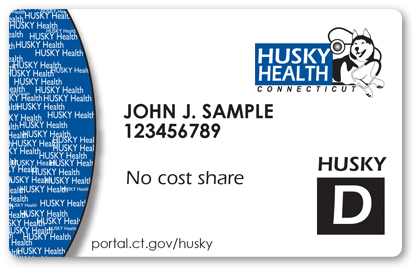
The rules will require them to do any of the following for at least 80 hours per month to keep their health insurance:
- Work at a job
- Go to school
- Go to a job training or work program, such as SNAP Employment and Training
- Volunteer
- Do a mix of work, school, training, and/or volunteering
To determine if the new rules will apply to them, members can answer a few questions using this tool on the Department of Social Services website: https://portal.ct.gov/husky/huskydprescreener
Please share this important information with your patients who are HUSKY D members.
Lead Screening Quality Improvement Project
Last year Community Health Network of Connecticut, Inc.® (CHNCT) completed a three-year (2023-2025) Lead Screening Quality Improvement Project (QIP) to improve Lead Screening in Children (LSC) HEDIS®1 rates for low-performing cohorts identified by geographic location, Connecticut Medicaid Assistance Program (CMAP) practice type, and race and ethnicity. Interventions focused on CMAP providers as well as HUSKY Health members and their communities. . . read more
These included yearly targeted mail and email campaigns to parents/guardians of members turning two and geotargeted mobile campaigns to raise awareness about lead poisoning and screening. CHNCT also conducted parent/guardian and provider surveys to identify barriers and trends so that interventions could be adapted based on the results.
Three CMAP practices were selected for the lead QIP; 2022 was utilized as the baseline year with interventions beginning in 2023. They received support from their Clinical Practice Transformation Specialist (CPTS) which included member cohort lists, a HEDIS® LSC TIP Sheet, coding support, and additional resources. Here are the results.
HEDIS® Year-Over-Year LSC Rates for
Intervention Practices
Source: CHNCT Data Warehouse
Claims Run Out 4/28/2026 for MY 2025
| Practices | MY 2022 Admin Rate | MY 2023 Admin Rate | MY 2024 Admin Rate | MY 2025 Admin Rate | % Change from MY 2022 vs. MY 2025 |
|---|---|---|---|---|---|
| Practice #1 | 28.46% | 46.51% | 98.15% | 95.16% | 234.42% |
| Practice #2 | 64.03% | 80.13% | 89.41% | 93.02% | 45.28% |
| Practice #3 | 70.23% | 75.92% | 84.58% | 85.88% | 22.28% |
| Aggregate Rate | 59.28% | 72.36% | 89.00% | 90.91% | 53.35% |
Percentage change rates have been calculated using a full set of decimal places but are rounded and displayed with one or two decimals depending on the measure. Recalculating these statistics based on the rates shown may result in a slightly different result
Best practices identified:
- Practice #1 implemented Point of Care (POC) lead testing in October of 2022 and received education to ensure proper coding.
- Practice #2 implemented same-day lab draws by collaborating with a lab located in the same building for high lead POC values in office.
- Practice #3 began monthly patient outreach utilizing the HUSKY gap in care cohort list to prioritize scheduling members who were missing a lead screening prior to their second birthday. This practice does not have in-office POC testing so they began tracking the lead screenings ordered through Quest and provided follow-up reminders to members who have not completed the blood work.
As a reminder, lead testing is mandatory in Connecticut, and the lead risk assessment does not count toward compliance. Connecticut testing requirements are posted on the CT DPH Lead Poisoning Prevention Healthcare Provider page. To improve HEDIS® LSC measure rates, the lead test must be completed and accurately coded before the child’s second birthday.
1 HEDIS® is a registered trademark of the National Committee for Quality Assurance (NCQA).
Colorectal Cancer Screening Quality Improvement Project
Colorectal Cancer (CRC) is a leading cause of cancer-related deaths in the United States for both men and women, yet more than one in three adults are not screened as recommended.1,2 CRC screening tests help detect problems early when treatment is likely to be most effective3. . . read more
Community Health Network of Connecticut, Inc.® (CHNCT) recognizes the importance of regular CRC screening, and is dedicated to improving CRC screening rates for HUSKY Health members through our Quality Improvement Project (QIP).
The National Committee for Quality Assurance (NCQA) Healthcare Effectiveness Data and Information Set (HEDIS®)4 Colorectal Cancer Screening (COL-E)5 measure assesses the percentage of persons 45-75 years of age who had appropriate screening for CRC. This QIP focuses on data collection of completed screening tests and a prospective project aimed at implementing targeted interventions. CHNCT will use interventions including enhanced member outreach and provider engagement to expand education, resources, and access to screening options. We will also collaborate with community organizations including the Connecticut Department of Public Health and the local chapter of the American Cancer Society to help support increased awareness on recommended CRC screening tests.
Through this QIP, CHNCT aims to utilize a multifaceted approach to implement statewide member, provider, and community-based interventions to provide education, promote compliance with recommended CRC screening tests, address common barriers and stigmas, and improve HEDIS® COL-E measure rates and health outcomes for the HUSKY Health population.
1 American Cancer Society. (2026, August 5). Colorectal Cancer is a Major Public Health Problem. https://nccrt.org/our-impact/data-and-progress/
2 American Cancer Society. (2026, January 14). Key statistics for colorectal cancer. https://www.cancer.org/cancer/types/colon-rectal-cancer/about/key-statistics.html
3 American Cancer Society. (2025, April 29). Can colorectal cancer be prevented? https://www.cancer.org/cancer/types/colon-rectal-cancer/causes-risks-prevention/prevention.html
4 HEDIS® is a registered trademark of the National Committee for Quality Assurance (NCQA).
5 National Committee for Quality Assurance. (n.d.). Colorectal cancer screening. https://www.ncqa.org/report-cards/health-plans/state-of-health-care-quality-report/colorectal-cancer-screening-col-e/

CultureVision®
CultureVision® is an easy-to-use database to assist you in understanding your patient’s beliefs and health practices, identifying the impact cultural issues have on medical decision making, and limiting inadvertent bias in diagnosis and treatment. . . read more
The CultureVision® database is available on the HUSKY Health secure provider portal: https://www.huskyhealthct.org/providers/culturevision.html. HUSKY Health looks forward to working with you to advance sustainable health policies and programs that support equitable access to high-quality patient care for all HUSKY Health members.
Every person brings their own story, identity, and lived experience to a healthcare encounter, and as providers, you can help each person feel welcomed, understood, and valued. The following article offers practical reflection on how identity, language, migration history, and family structure can shape a person’s experience with their healthcare provider. It also invites providers to expand their curiosity about the unique experiences and perspectives each person brings to their care. We hope the following resource supports the important work you do to foster trust, understanding, and connection with every person you serve. The article can be found here.*
* MICRO-MOMENTS IN PRACTICE:
BIAS INTERRUPTION ACROSS CULTURAL CONTEXTS
CultureVision® Newsletter Q2 2026
CultureVision® is a product of Be Equitable.